NATION
WORLD
STATES
OPINIONS
CITIES
BUSINESS
SPORT
GOOD NEWS
MOVIES
PHOTOS
VIDEOS
WEB SCRAWL
E-PAPER
NATION
WORLD
STATES
OPINIONS
CITIES
BUSINESS
SPORT
GOOD NEWS
MOVIES
PHOTOS
VIDEOS
WEB SCRAWL
E-PAPER
The New Indian Express
Top Stories
Nation
BJP, Congress on edge as Maharashtra records low voter turnout in five seats in phase one LS polls
Interestingly, the tribal and Naxalite-affected district Gadchiroli seat reported the highest voting percentage among the five seats at 66.3%.
Nation
Excise 'scam': Delhi court reserves order on bail pleas of Manish Sisodia
Nation
Elon Musk says India visit delayed due to 'very heavy' Tesla obligations
World
Israel, Iran play down apparent Israeli strike; muted responses could calm tensions for now
Nation
After Amethi, Congress will lose Wayanad seat also: PM Modi targets Rahul Gandhi
Targeting the INDIA bloc, Modi said it has no face to project and people do not know whom to entrust the country's future.
Nation
India set for significant overhaul of criminal justice system with newly enacted laws: CJI
The newly enacted laws have transitioned India's legal framework on criminal justice into a new age, Chief Justice of India (CJI) Chandrachud said.
Load More
Nation
Will Modi deliver on his 'promise' to put Ashok Chavan in jail: Jairam Ramesh
Congress leader has posed a few questions for Prime Minister Modi ahead of his rally in Nanded and Parbhani.
MahaYuti leaders struggle to unlock 7-seat Maha knot
Congress demands repoll in 47 polling stations in Manipur
Philippines court's order against modified brinjal, golden rice to see global impact
21 police, jawans injured as bus carrying them after poll duty overturns in Madhya Pradesh
Indian American businessman sentenced for bribery and tax evasion
Three involved in shooting near polling station in Manipur arrested
Load More
Elections 2024
Going gets tough for Tejasvi in Bengaluru South
Tejasvi Surya vs Sowmya Reddy: The battle of youths in Bangalore South
Lok Sabha elections 2024: Moderate polling in 1st phase
INTERVIEW | Even Rahul Gandhi knows I.N.D.I.A is not winning: Karnataka BJP leader Vijayendra
First day, First show and the polling begins
INTERVIEW | BJP’s internal feud will explode after LS polls, says Laxman Savadi
Poll icons: 118-yr-old man, 117-yr-old woman oldest voters in Haryana
'We will vote, but not for BJP': These 1200 families in Guwahati are in no mood to forgive
BJP to win all 25 LS seats in Rajasthan, Vaibhav Gehlot will lose by huge margin: Amit Shah
After Amethi, Congress will lose Wayanad seat also: PM Modi targets Rahul Gandhi
'Dummy' candidates spice up Karnataka LS polls; fake Rahul Gandhi, PS Yaurappa among the list
Chennai's turnout takes a nosedive at LS election
Just 21 of 1,375 in Ekanapuram reach booth; ARO’s visit to village sparks stir
Invisible ink? Names of voters missing in Chennai
To achieve target of winning 10 seats in Telangana, BJP fine-tunes strategy at micro-level
Voters on Telangana-Maharashtra border get the best of both worlds
Load More
Web only
'We will vote, but not for BJP': These 1200 families in Guwahati are in no mood to forgive
Rs 700 per vote: Inside India's record-breaking election!
As TN gears up to vote, poll boycott decisions in the Vengaivayals of the state fail to draw attention
Asaduddin Owaisi's Uttar Pradesh gambit and why it has left the BJP chuckling in delight
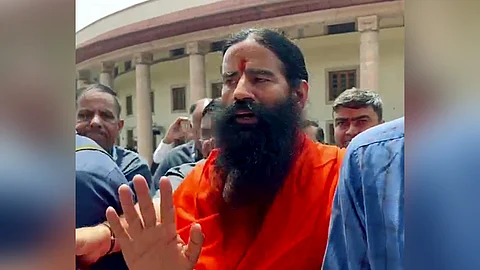
Patanjali: The cause celebre that stirred up a constitutional storm
'Not likely, but surely!': Why Dayanidhi Maran is set to race away with Chennai Central again
Can 27-year-old Kudumbashree swing votes for 'papa' Thomas Isaac in Kerala's Pathanamthitta?
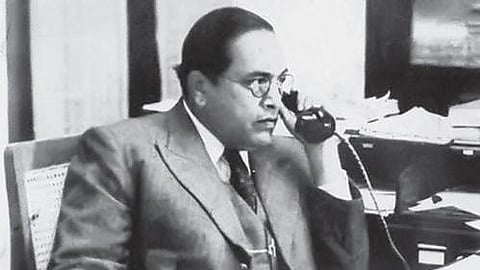
'Caste first' elections: Is it time to revisit Ambedkar's idea of separate electorates for Dalits?
Load More
States
Tamil Nadu
Kerala
Karnataka
Andhra Pradesh
Telangana
Odisha
Load More
X
The New Indian Express
www.newindianexpress.com
INSTALL APP